
If you are seriously searching for Tata Ace EV price on road, it means one thing: you are thinking beyond diesel. You are either planning to reduce running cost, enter city logistics, or you are confused by all the electric vehicle hype being pushed in the market.
Let me make one thing very clear at the beginning.
Tata Ace EV is not for everyone.
It is a smart decision for some people and a completely wrong decision for others.
This article is written as if a senior transporter is sitting across the table, explaining everything honestly to someone who is either new to transport or thinking of shifting to electric.
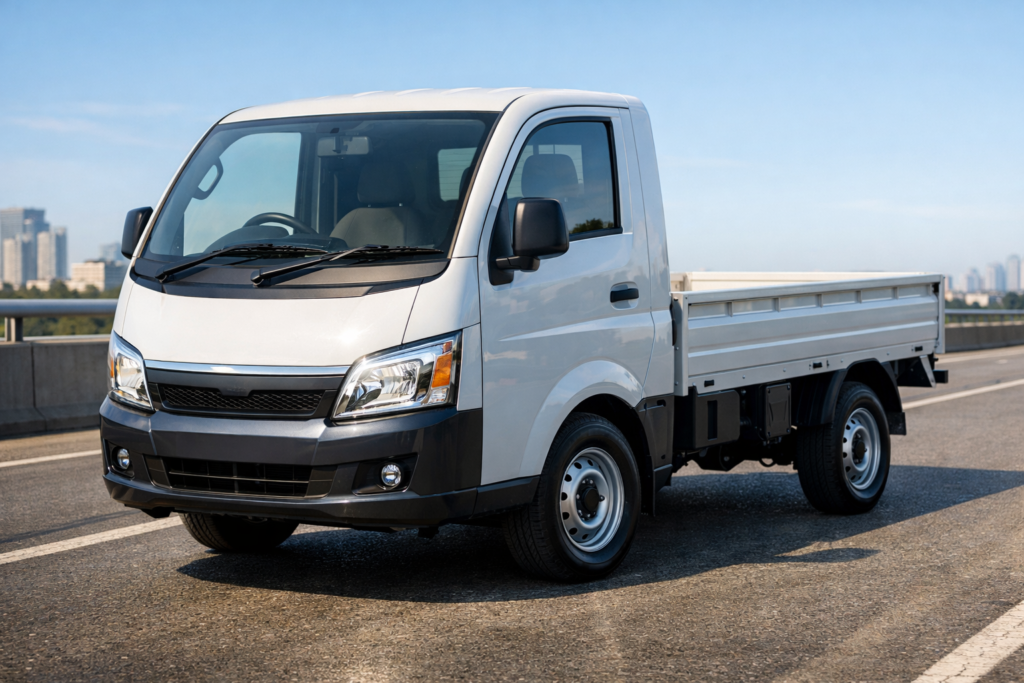
What Exactly Is Tata Ace EV and Why It Exists
The Tata Ace EV is an electric version of the legendary Tata Ace mini truck. It is designed mainly for short-distance, city-focused, predictable route operations.
It is NOT built to replace diesel Ace in every use case.
Ideal applications include:
City delivery
E-commerce last-mile
FMCG urban distribution
Milk, bakery, vegetables
Courier and parcels
Municipal and corporate fleets
The mistake people make is assuming electric automatically means better profit. Reality is more complicated.
Tata Ace EV Price On Road – The Most Important Question
Let us talk money first, because emotional buying destroys transport businesses.
Tata Ace EV Price On Road (Approximate)
| Cost Component | Amount (₹) |
|---|---|
| Ex-showroom price | 9.99 – 10.20 lakh |
| RTO registration | 20,000 – 30,000 |
| Insurance | 45,000 – 55,000 |
| Other charges | 15,000 – 25,000 |
| Tata Ace EV price on road | 10.8 – 11.3 lakh |
Now read this slowly.
People often compare this with diesel Tata Ace costing around 6–7 lakh on road. That comparison is completely wrong if you do not consider running cost and usage pattern.
The Biggest Lie About Tata Ace EV Price On Road
Many dealers say:
“Electric means almost free running”
“Recover cost in one year”
“No maintenance at all”
These are half truths, and half truths are more dangerous than lies.
Yes, running cost is low.
No, recovery is not automatic.
And no, maintenance is not zero.
Running Cost Reality – Electric vs Diesel Comparison
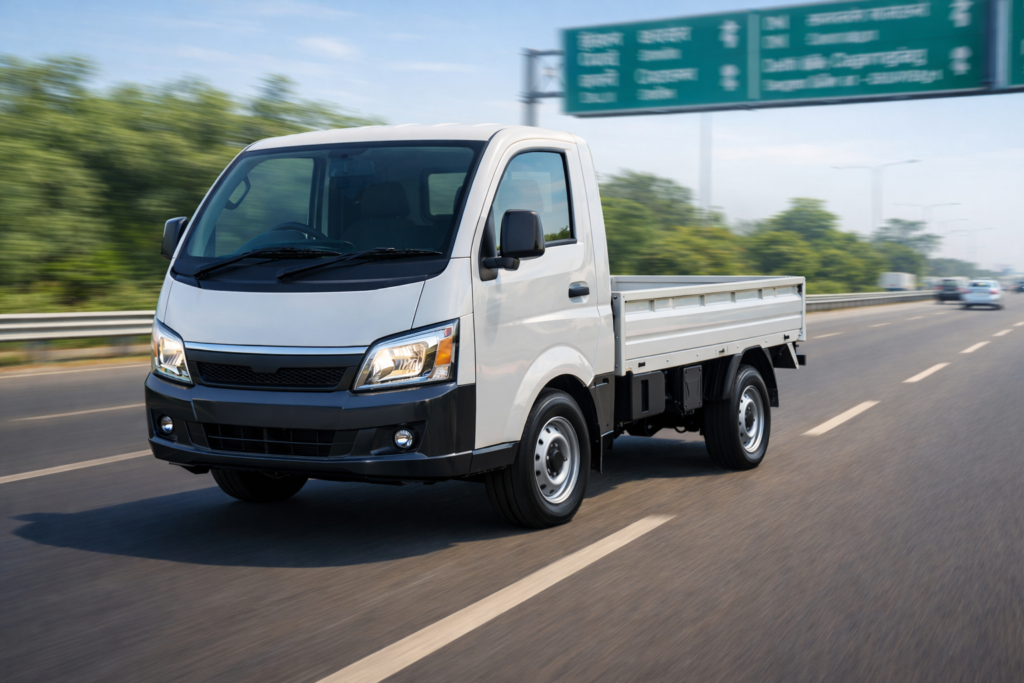
This is where Tata Ace EV becomes interesting.
Electric Cost Per Kilometer
Battery range (real): 130–160 km (city conditions)
Electricity cost per full charge: ₹120–150
Real running cost: ₹1–1.5 per km
Diesel Tata Ace Cost Per Kilometer
Mileage: 18–20 kmpl (real city usage)
Diesel price: ₹90/litre
Cost per km: ₹4.5–5 per km
So yes, Tata Ace EV saves around ₹3–3.5 per km.
But savings alone do not decide profit. Utilization does.
Real Range of Tata Ace EV on Indian Roads
Company claims around 154 km. Now let us talk real life.
Practical Range You Should Expect
-
Light load, smooth roads: 150 km
-
Normal city load, traffic: 130–140 km
-
Full payload, AC-like blower use, bad roads: 110–120 km
If someone tells you 180 km, they are not being honest.
Range anxiety is real, especially for beginners who do not plan routes properly.
Payload Capacity and Its Impact
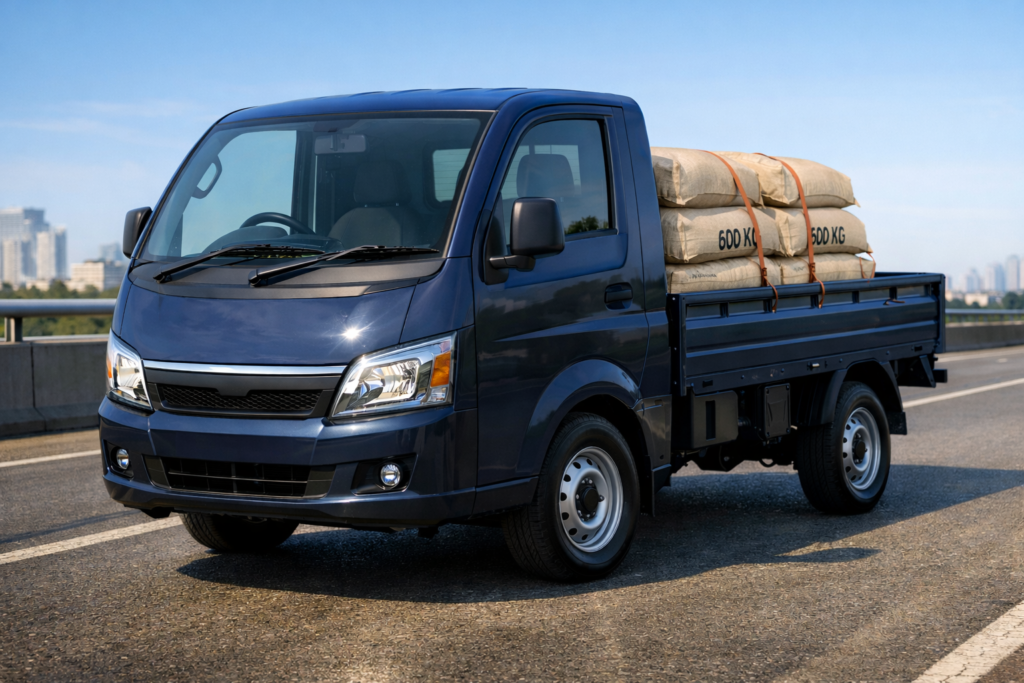
Tata Ace EV payload capacity is around 600 kg.
Now here is the truth:
Electric vehicles hate overloading more than diesel ones.
Overloading effects:
Range drops sharply
Battery stress increases
Motor heats more
Long-term battery life reduces
If you overload daily, Tata Ace EV will quietly punish you after warranty.
Maintenance Cost – Electric Is Not Zero Cost
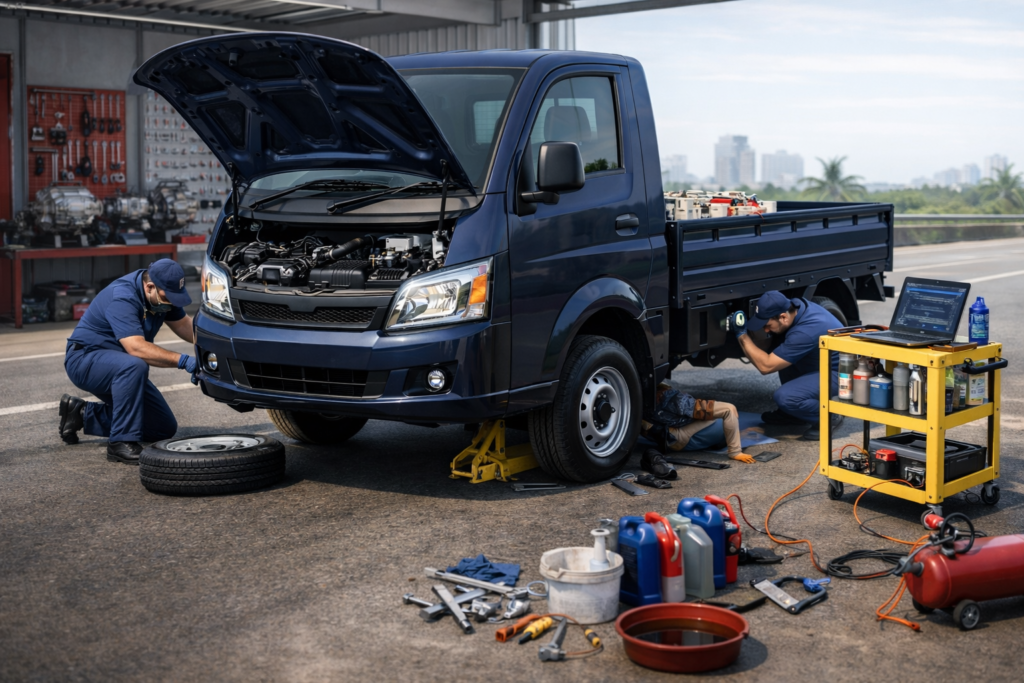
Many first-time buyers think electric vehicles have zero maintenance. That is wrong.
What You Save
No engine oil
No clutch
No gearbox repairs
No fuel filters
What Still Costs Money
-
Suspension wear
-
Brake wear
-
Tyres
-
Electrical sensors
-
Cooling system components
Monthly maintenance average:
-
₹800 – ₹1,500, depending on usage
Low, yes. Zero, no.
Battery Life – The Most Sensitive Topic
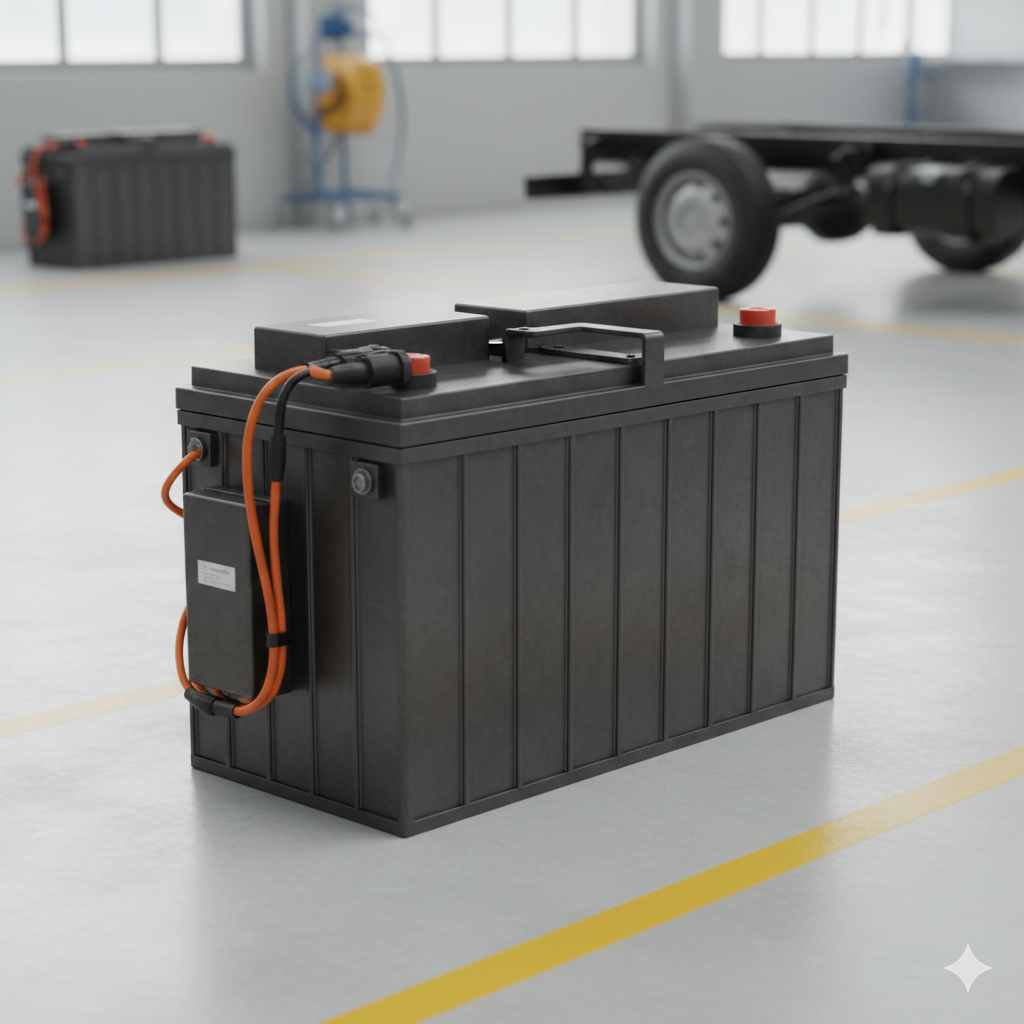
This is where beginners must listen carefully.
Battery warranty is limited (usually 3–5 years)
Replacement cost is very high
Abuse reduces life faster
If you:
Deep discharge daily
Overload consistently
Fast charge improperly
Battery degradation accelerates.
Tata Ace EV is profitable only if battery health is protected.
Charging Reality – Ground Level Truth
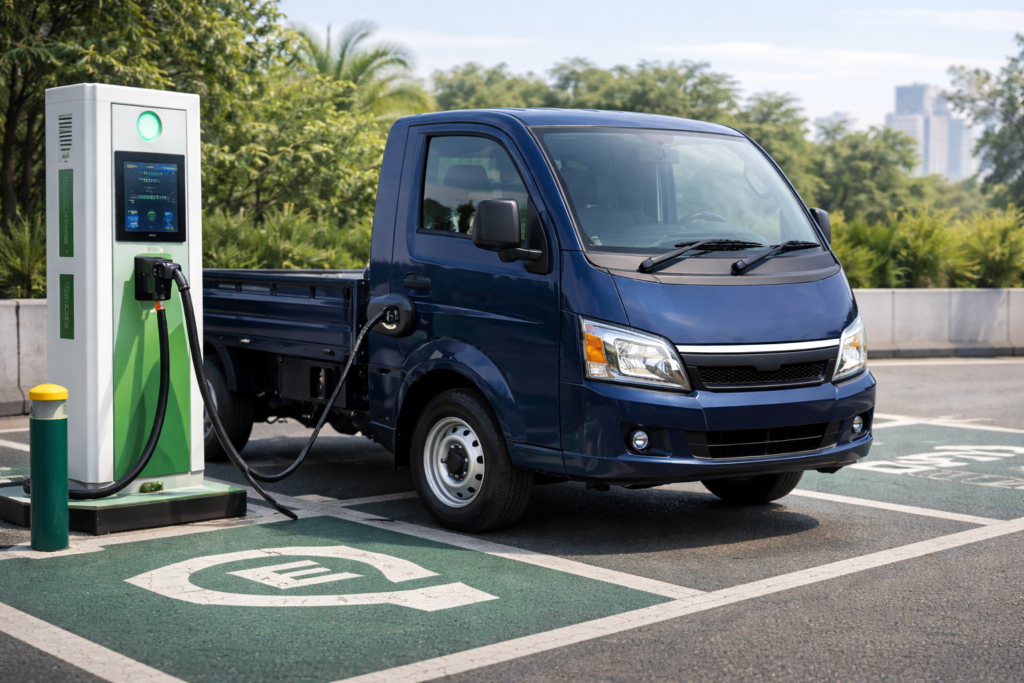
Charging looks easy on paper.
Reality:
-
Overnight home charging works best
-
Public charging infrastructure is still inconsistent
-
Power cuts delay operations in some areas
Time needed:
-
Normal charger: 6–7 hours
-
Fast charger: Limited availability and higher stress on battery
If your operation requires 24-hour movement, this truck is not suitable.
RTO, Permit, and Challan Reality for Tata Ace EV
Good news first:
Green number plate
Lower road tax
Easy city permits in many states
Reality:
Overloading challans still apply
Wrong parking, lane violations still fined
Some guards do not understand EV exemption yet
Electric does not mean immune to law enforcement.
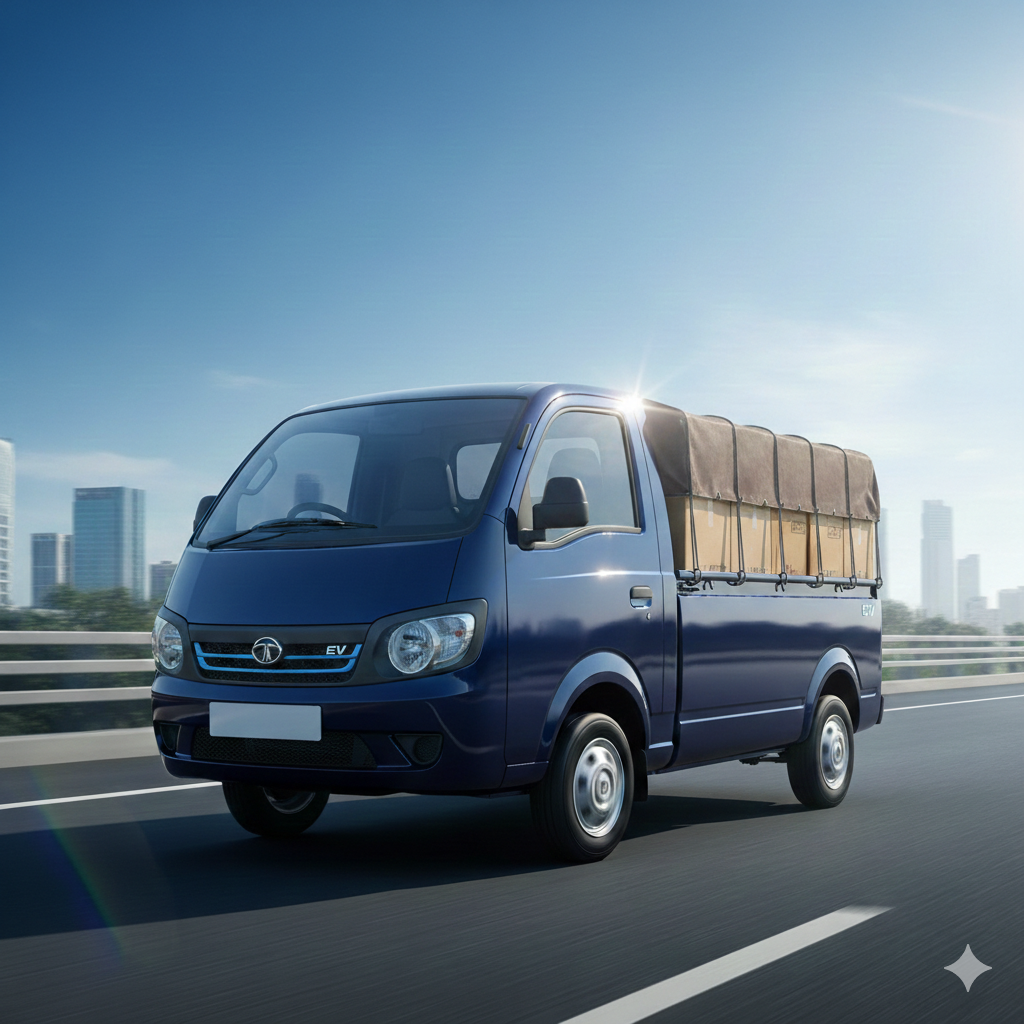
Real-Life Use Case Example
Case 1: Urban E-commerce Operator
-
Daily run: 90–100 km
-
Fixed routes
-
Night charging
-
Monthly savings: ₹8,000–10,000
-
Verdict: Excellent decision
Case 2: Mixed rural-city operator
-
Unplanned routes
-
Long distances
-
Occasional overloading
-
Charging problems
-
Verdict: Bad decision
Same Tata Ace EV. Different planning. Different result.
Who Should Buy Tata Ace EV
You should seriously consider Tata Ace EV if:
Your daily run is under 120 km
Routes are predictable
You operate mainly inside cities
You want long-term savings
You are disciplined with load and charging
In such cases, Tata Ace EV price on road makes sense.
Who Should NOT Buy Tata Ace EV
Avoid Tata Ace EV if:
-
You run intercity routes
-
You overload regularly
-
You depend on roadside repairs
-
You operate in power-cut-prone areas
-
You expect diesel-like flexibility
Electric is not forgiving.
Common Mistakes New Buyers Make
-
Buying only because of subsidy talk
-
Ignoring charging planning
-
Underestimating range drop
-
Expecting diesel-like abuse tolerance
-
Falling for exaggerated payback claims
These mistakes turn a good product into a bad experience.
FAQs – Tata Ace EV Price On Road & Ownership
1. What is Tata Ace EV price on road in India?
Around ₹10.8 to ₹11.3 lakh depending on state and insurance.
2. Is Tata Ace EV cheaper to run than diesel?
Yes, significantly cheaper per kilometer.
3. What is real driving range of Tata Ace EV?
110–150 km depending on load and traffic.
4. Is Tata Ace EV good for beginners?
Yes, if usage is planned and disciplined.
5. What is battery replacement cost?
High. Proper usage is essential to delay replacement.
6. Can Tata Ace EV be overloaded?
Physically yes, financially no.
7. Is maintenance really low?
Lower than diesel, but not zero.
8. Does Tata Ace EV have good resale value?
Still developing. Battery health will decide resale.

Final Advice – Straight, Honest, Experience-Based
Let me end this clearly.
Tata Ace EV is not a miracle machine
It is a tool for specific applications
Tata Ace EV price on road looks high at first
But for the right user, it recovers money slowly and safely
If your operation fits electric discipline, Tata Ace EV can reduce stress, noise, and fuel dependency.
If your operation needs flexibility, abuse tolerance, and unpredictable routes, stay with diesel.
The future is electric.
But profit comes from correct decisions, not trends.