If you are searching for “Tata Ultra T 12 payload capacity”, I can safely say one thing:
you are either planning to buy a 12-tonner, upgrade from a smaller truck, or confused by what dealers are claiming.
Before we go ahead, let me be very clear—
payload capacity is the biggest misunderstood topic in the Indian truck industry.
Showroom people will talk numbers.
YouTube reviewers will talk specs.
But on Indian roads, payload behaves very differently.
So read this like a junior sitting next to a senior driver on a night halt—slowly, honestly, and without ego.

Table of Contents
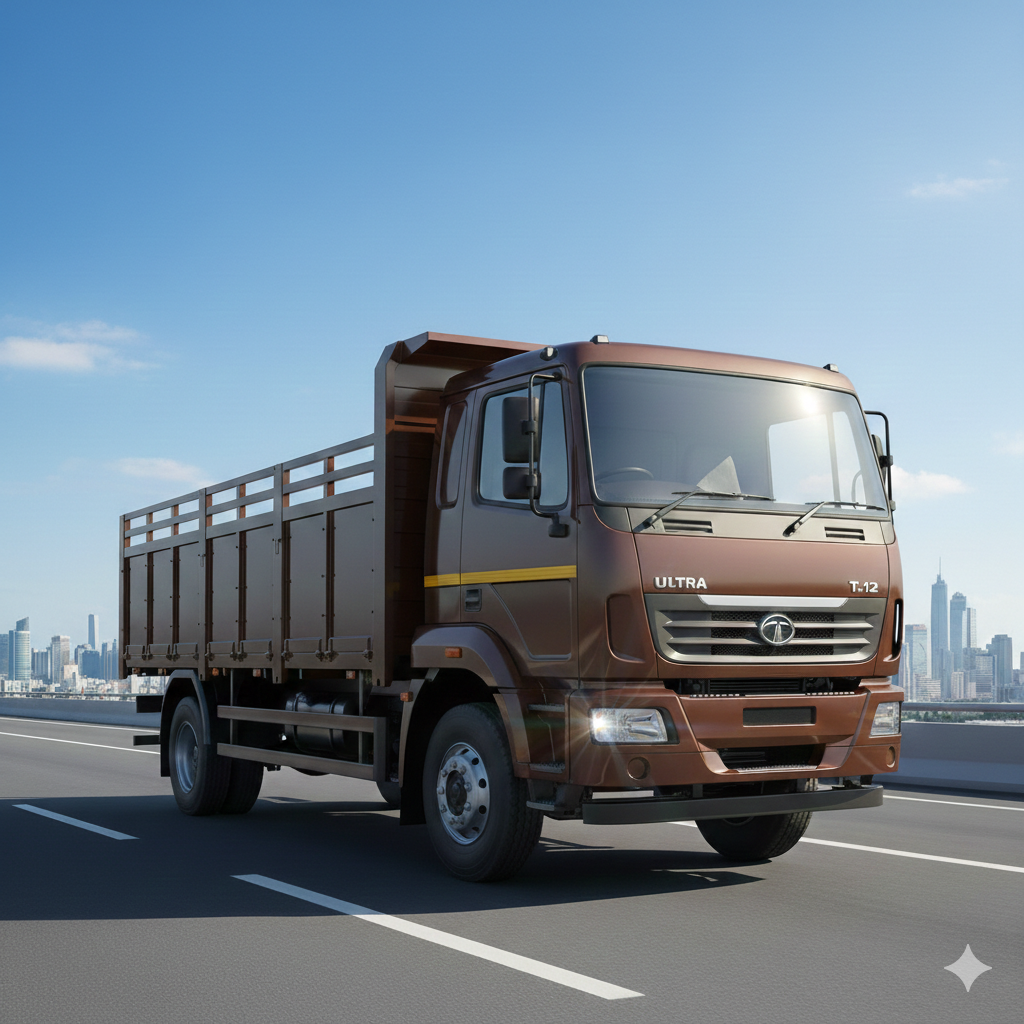
ToggleWhat Exactly Is Tata Ultra T 12?
It is designed for medium-load, medium-distance operations, not hardcore mining abuse and not light city-only use either.
Typical use cases:
FMCG & packaged goods
White goods & appliances
E-commerce line haul
Logistics hubs to city warehouses
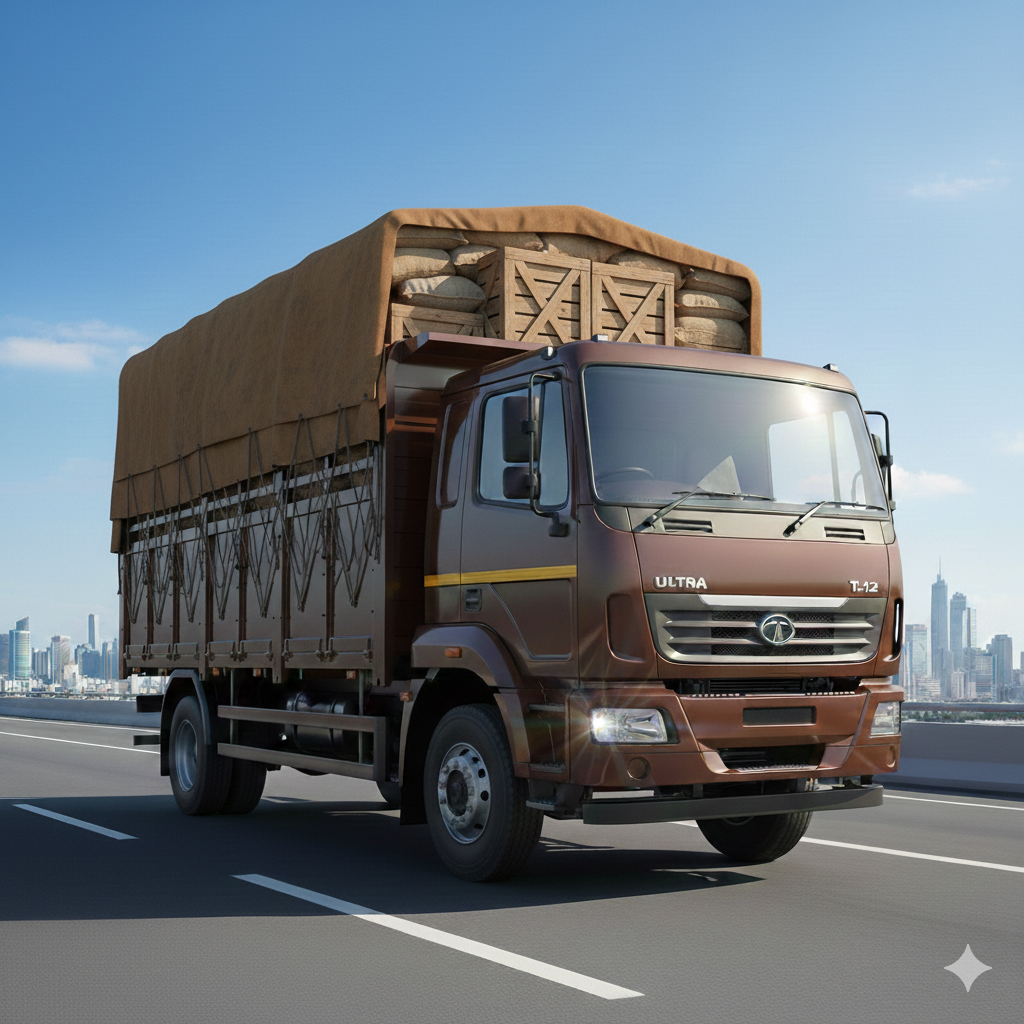
Cement, bagged material (within limits)
Now let’s move to the most searched and most lied-about topic.
Tata Ultra T 12 Payload Capacity – Numbers vs Reality

Official Payload Capacity (Company Figure)
Tata Motors states payload capacity around:
👉 6.5 to 7.0 tonnes (depends on body type and axle configuration)
Now stop here.
This figure is:
Calculated under test conditions
With perfect road
No overhang misuse
No uneven loading
No daily abuse
Real Payload Capacity on Indian Roads
From actual operations I’ve seen:
Safe daily working payload: 6.5 tonnes
Maximum workable payload (occasional): 7 – 7.2 tonnes
Overloading zone (danger): 8+ tonnes
Yes, many people load 8.5–9 tonnes.
But let me be very honest:
👉 That extra 1.5–2 tonnes is not “free profit”
It comes with hidden costs that beginners don’t calculate.
Why Payload Capacity Is Not Just About Weight
Most new transporters think:
“Zyada maal = zyada paisa”
Wrong thinking.
Payload capacity affects:
Mileage
Brake life
Tyre life
Suspension
RTO challan risk
Driver fatigue
Accident probability
One wrong calculation here can kill your monthly profit silently.
Diesel Cost & Mileage Reality (With Payload Impact)

Let’s talk money now.
Real Mileage of Tata Ultra T 12
On Indian highways + city mix:
Empty: 6.5 – 7 kmpl
5–6 tonne load: 5 – 5.5 kmpl
6.5–7 tonne (ideal payload): 4.5 – 5 kmpl
Overloaded (8+ tonne): 3.8 – 4 kmpl
Dealer will easily promise:
“Sir 6 kmpl milega”
That happens only:
With empty return
Best driver
Open highway
No traffic
Not daily reality.
Diesel Cost Calculation (Real Example)
Assume:
Diesel price: ₹90/litre
Mileage at proper payload: 5 kmpl
Cost per km: ₹90 ÷ 5 = ₹18 per km (only diesel)
Now add:
Driver salary
Maintenance
Tyres
Toll
EMI
If your freight rate doesn’t support this math, payload capacity alone won’t save you.
Maintenance Cost

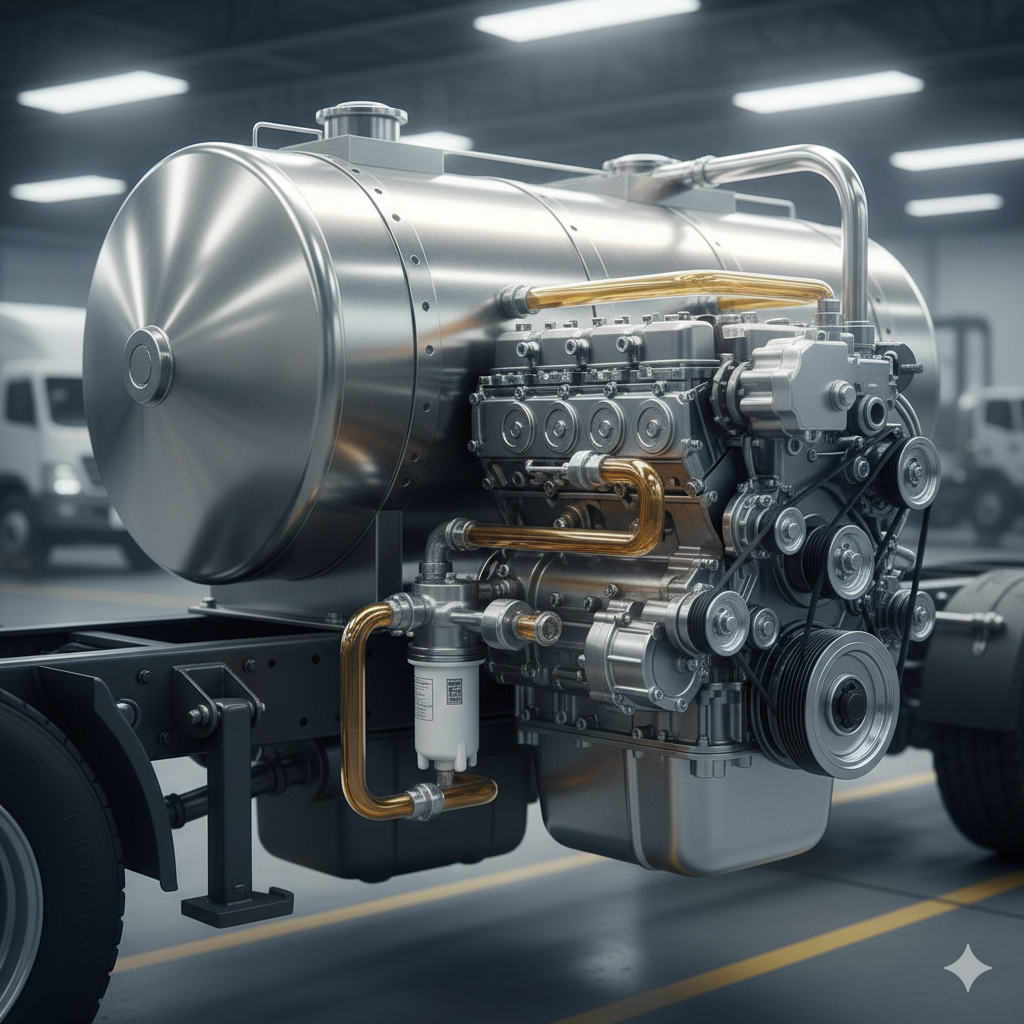
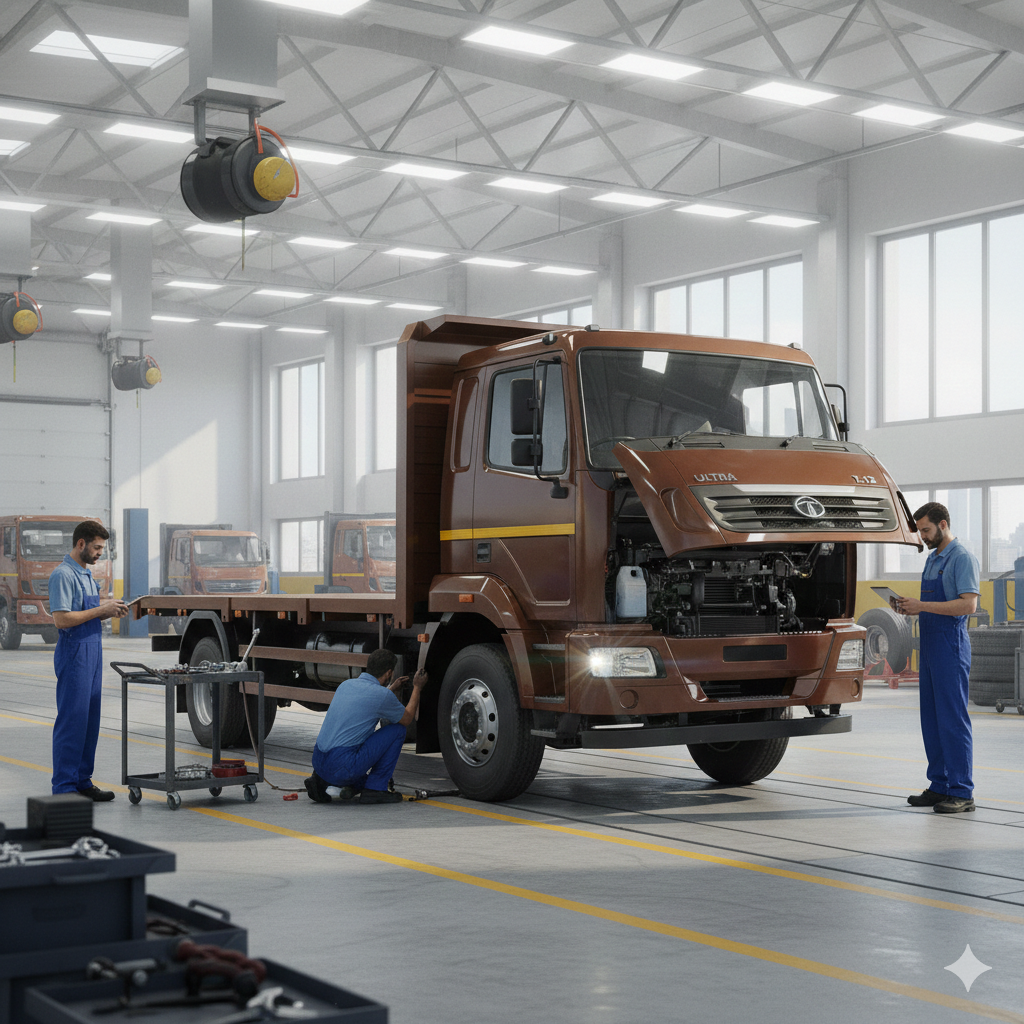
Tata Ultra T 12 is well-built, no doubt.
But even iron has limits.
Monthly Maintenance (Average)
| Item | Cost (₹) |
|---|---|
| Engine oil & service | 3,000 – 4,000 |
| Brake & clutch wear | 1,500 – 2,000 |
| Suspension & bush | 1,000 – 1,500 |
| Misc repairs | 1,000 |
| Total | 6,500 – 8,500/month |
Now listen carefully:
If you overload regularly:
Brake life reduces by 30–40%
Clutch fails earlier
Tyres lose life rapidly
Suspension cracks appear
These don’t show immediately.
They hit together after 12–18 months.
Real Road Issues – Indian Condition Reality
Indian truck usage is not smooth Europe-style driving.
Common issues:
Speed breakers every 2 km
Village road potholes
Sudden braking in traffic
Uneven loading by labour
Highway + city mix daily
Payload capacity that looks okay on paper feels heavy in these conditions.
I’ve personally seen:
Ultra trucks struggling on ghat sections when overloaded
Brake fade in downhill stretches
Drivers complaining of control loss during emergency braking
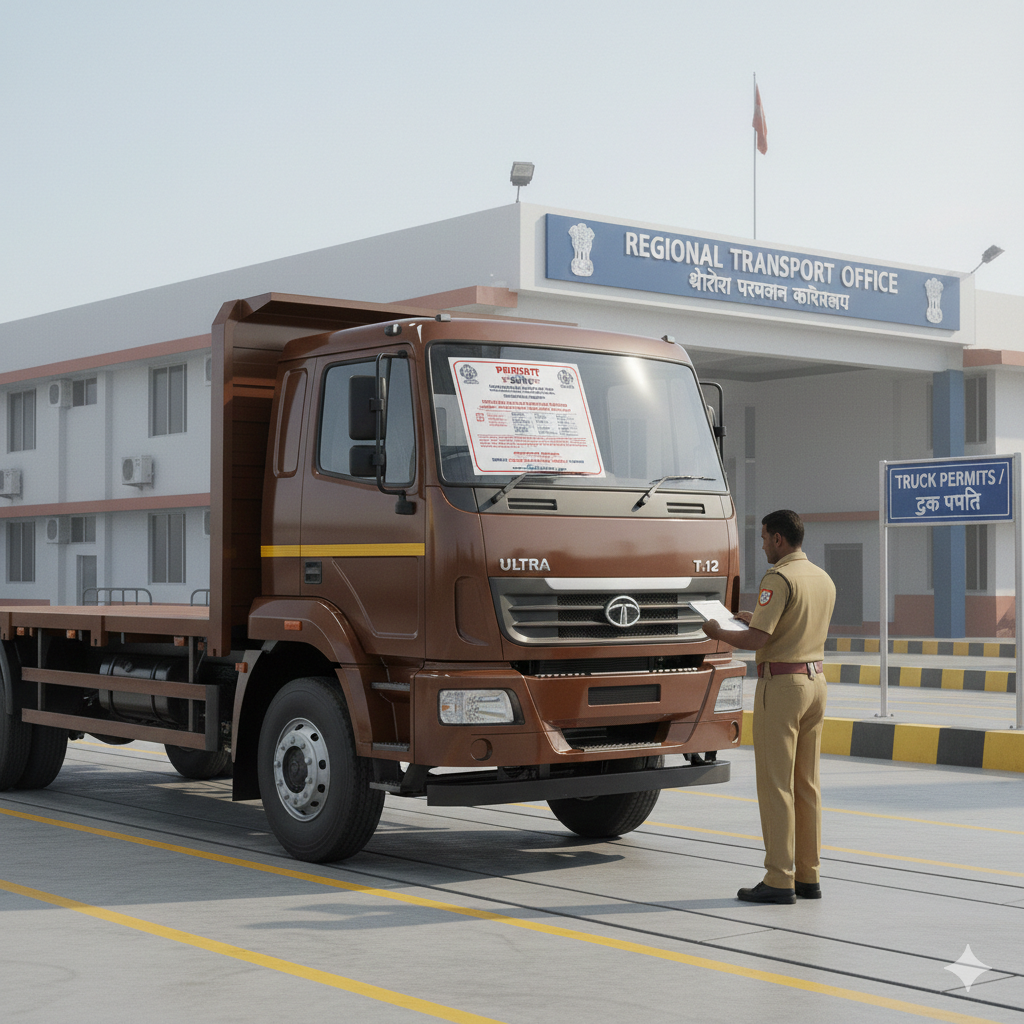
RTO, Permit & Challan Truth

Payload capacity violation is not just mechanical—it’s legal trouble too.
RTO checks at checkposts
Portable weigh bridges
Highway enforcement squads
E-challan cameras (axle load violations)
Challan amount:
₹20,000+ (state dependent)
Vehicle detained sometimes
Offloading forced
One challan = profit of entire trip gone.
Biggest Lies Told in the Market
Let me list them clearly.
“Ultra T 12 easily handles 9 tonnes”
“Mileage doesn’t drop with load”
“Tata engine is unbreakable, overload karo”
“RTO kuch nahi bolega”
These lies are spoken by:
Brokers
Body builders
Inexperienced operators
They don’t pay your repair bills. You do.
Real-Life Example (Ground Story)
A logistics operator in Maharashtra:
Route: Mumbai–Nashik
Load: Packaged goods
Payload maintained at 6.5 tonnes
Result:
Stable mileage
Zero major repair for 2 years
Predictable profit
Another operator overloaded cement bags:
8.5 tonne regular
Mileage dropped to 3.8 kmpl
Brake overhaul in 14 months
Same truck.
Different payload discipline.

Who Should Buy Tata Ultra T 12 (Payload Wise)
Buy it if:
Your cargo is volume-based, not weight-based
You want consistent running
You respect payload capacity
You aim for long-term profit, not short-term greed
Who Should Avoid It
Avoid if:
Your business depends on daily overloading
You run mining, sand, or steel loads
You ignore legal limits
You think bigger load always = more money
FAQs – Tata Ultra T 12 Payload Capacity
1. What is Tata Ultra T 12 payload capacity officially?
Around 6.5–7.0 tonnes, depending on configuration.
2. Can it carry more than rated payload?
Yes, but not advisable for daily use.
3. What happens if I overload regularly?
Mileage drops, maintenance rises, legal trouble increases.
4. What is best payload for long life?
6.5 tonnes is the safest working number.
5. Is Ultra T 12 good for highways?
Yes, when loaded within limits.
6. Does payload affect resale value?
Yes. Overloaded trucks age faster and sell cheaper.
7. Is this truck good for beginners?
Only if you understand operating economics.
8. Is payload more important than horsepower?
Absolutely. Wrong payload usage kills any truck.
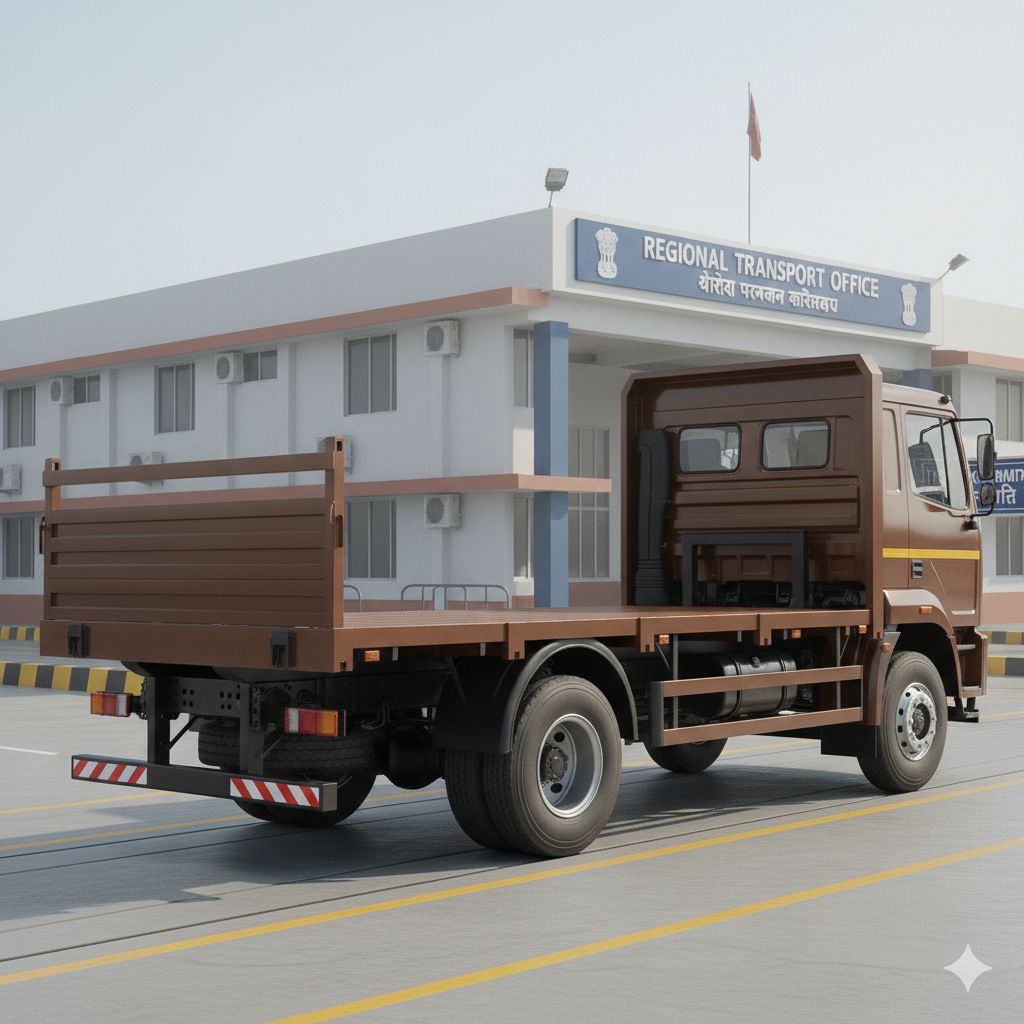
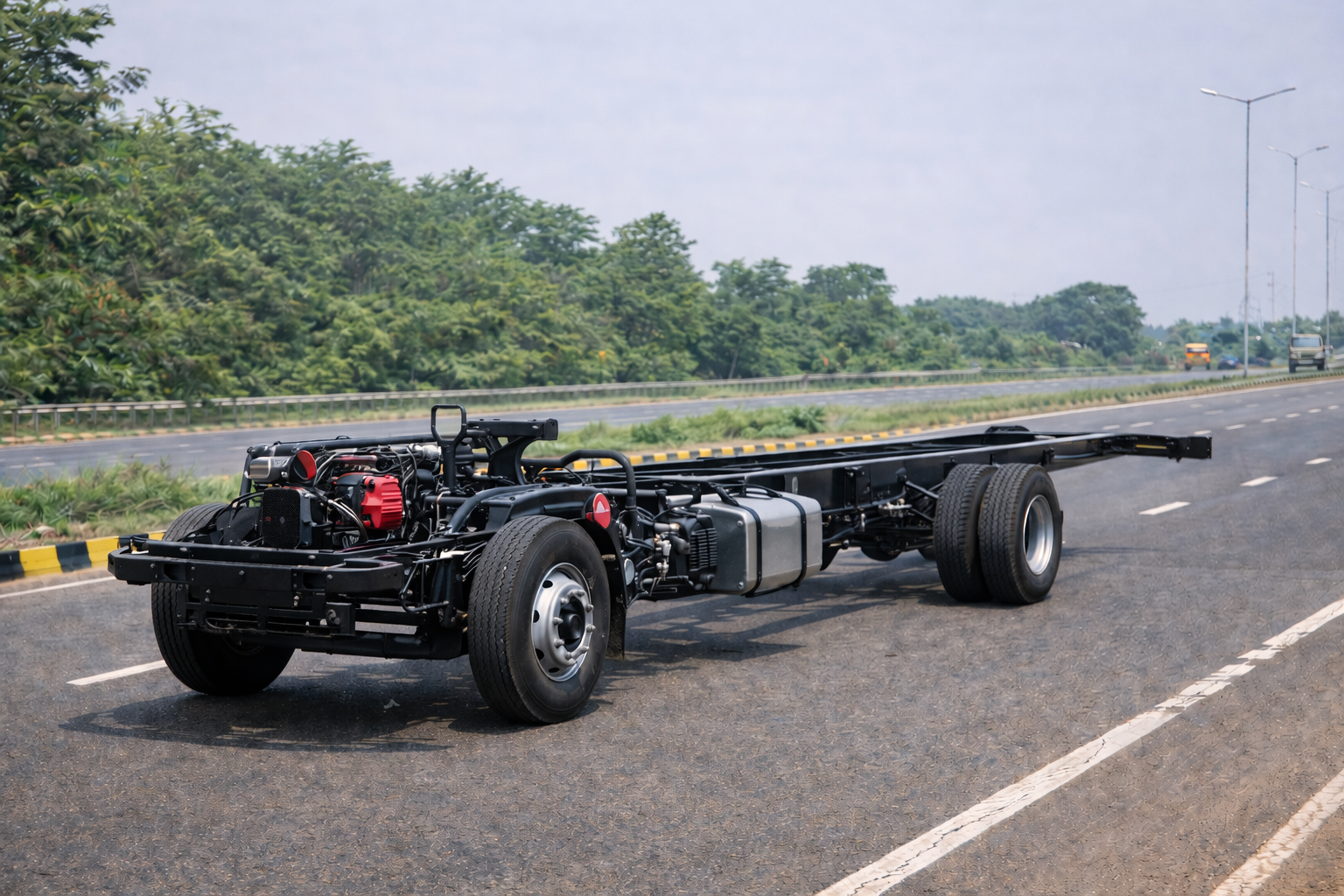
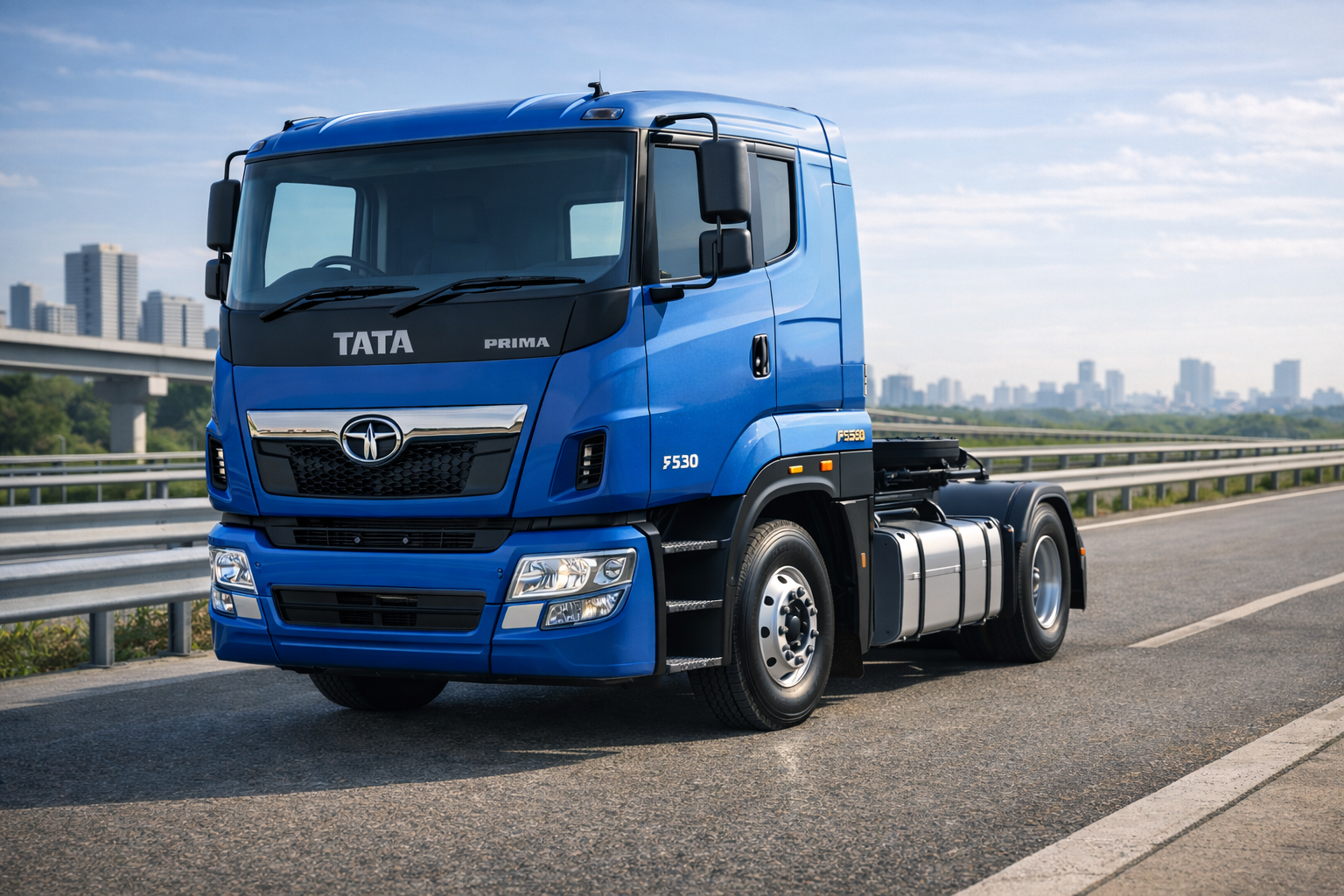
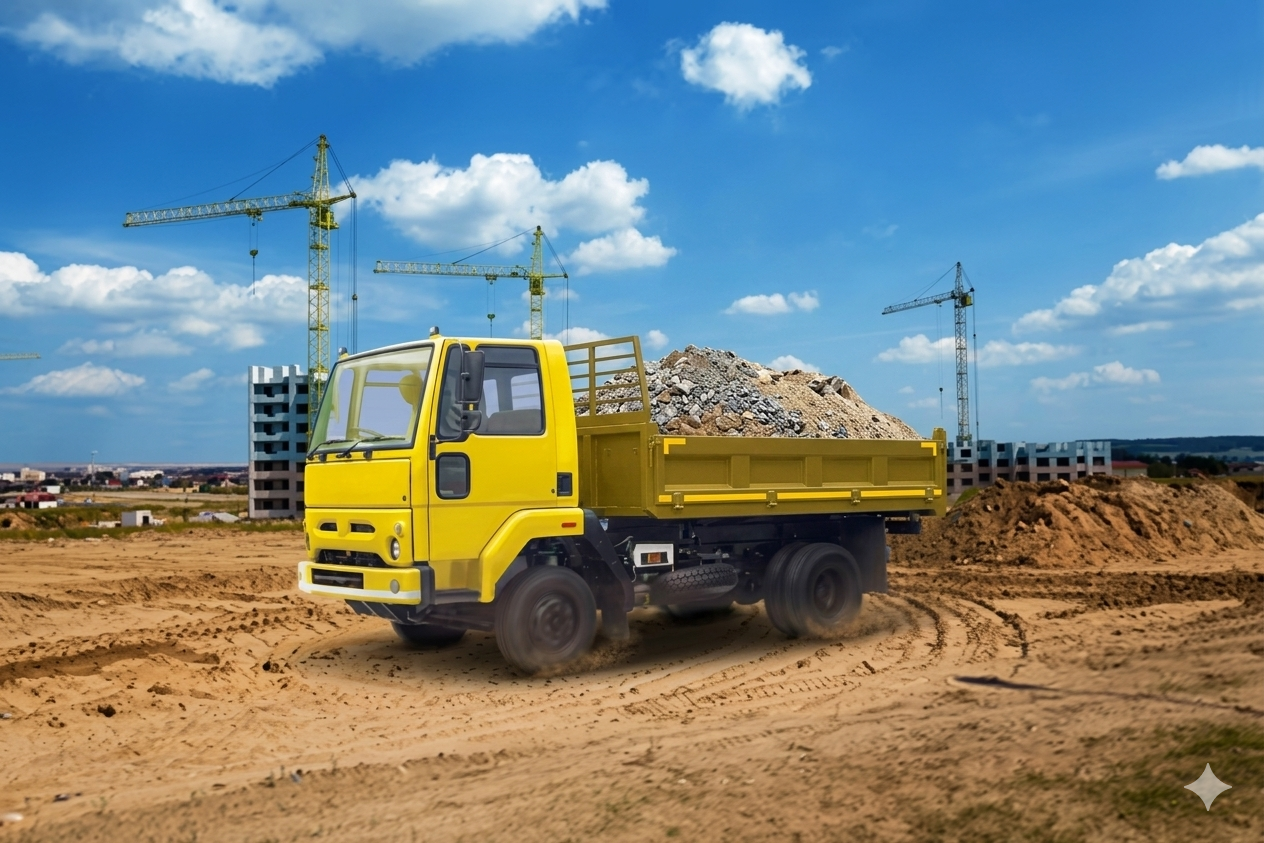
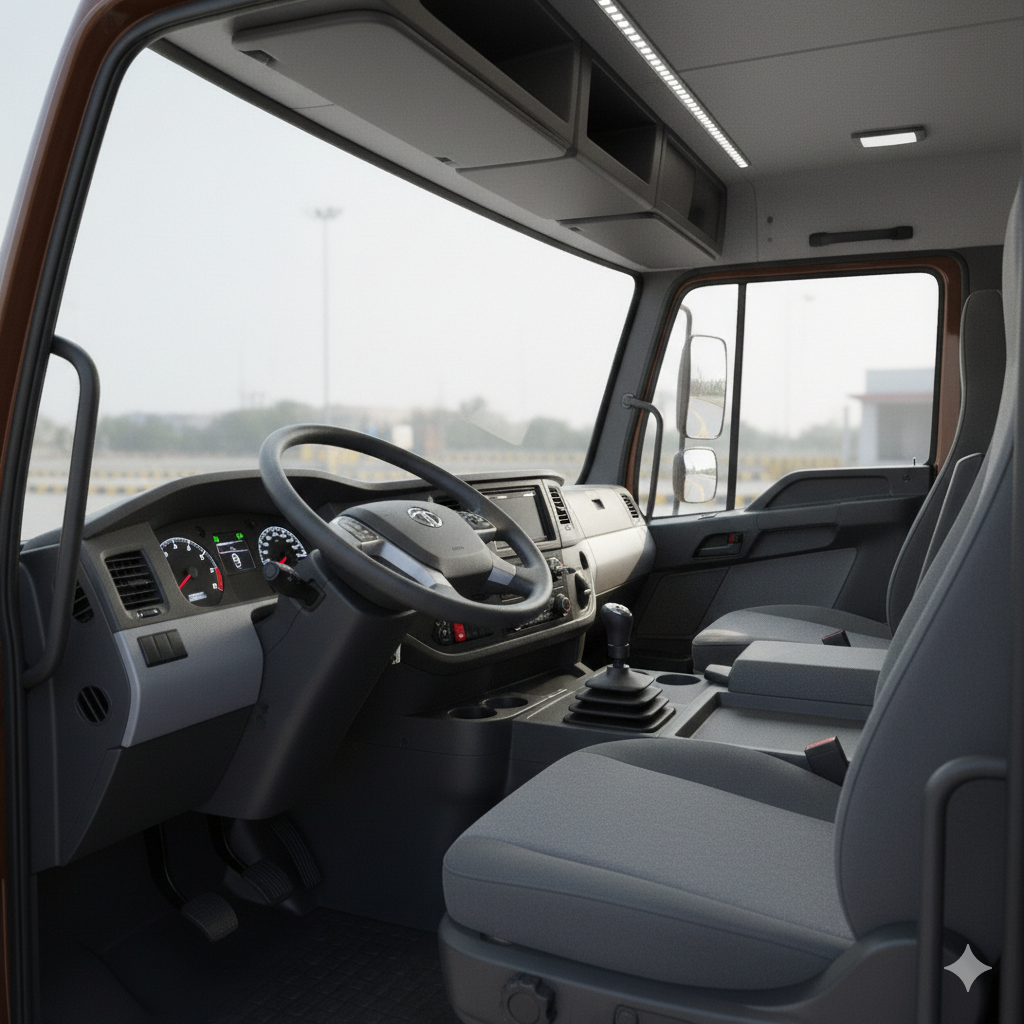
(these all images are AI generated not look like real vehicles)

Final Advice – Senior to Junior
Let me close this honestly.
Payload capacity is a discipline, not a challenge
Truck doesn’t earn money, planning does
Overloading gives short-term cash, long-term loss
Tata Ultra T 12 is a solid machine—but only within limits
If you respect its true payload capacity, it will: Earn steadily
Break less
Sleep peacefully in your yard
If you don’t—
it will slowly eat your profit without warning.
If after reading this you feel:
This guy doesn’t lie.
Then you’re ready to be a smart transporter, not just a truck owner